
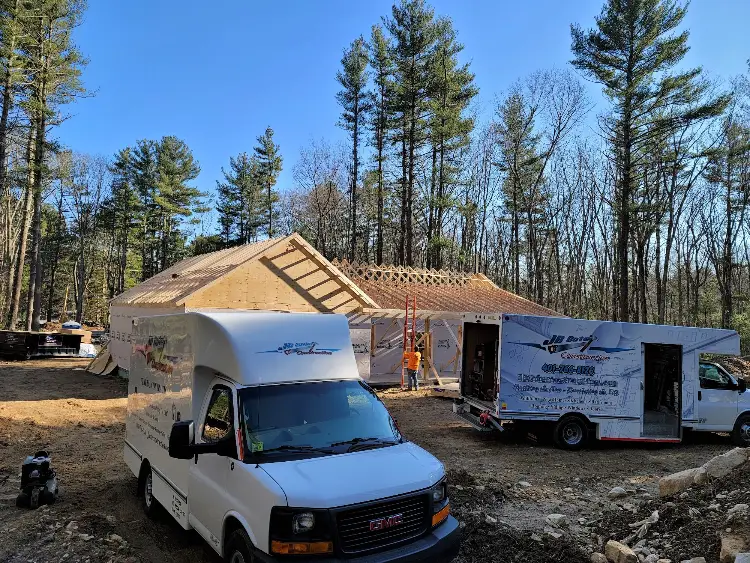
The most important questions to ask a contractor are about their registration, their insurance, their past work, and how they will run your job. The answers tell you if they are qualified and if they are a good fit for you. A good contractor will be glad you asked. In this guide, we share the questions we think every Rhode Island homeowner should ask before signing a contract, and what good answers sound like.
What Does a General Contractor Do?
Before you start asking questions, it helps to know what a general contractor does. A general contractor runs your whole project. They plan the work, get the permits, and set the schedule. They also hire and manage the trades, like plumbers, electricians, and roofers.
Think of a general contractor as the coach of the team. They make sure each person shows up at the right time and does the job right. They also handle inspections and keep you in the loop. When something goes wrong, they are the one who fixes it.
Some general contractors do much of the work with their own crew. Others hire out almost everything. Neither way is wrong, but it is good to know which one you are getting. That leads to some of the first questions on our list.
Questions About Registration and Insurance
These questions come first because they protect you. A contractor who cannot answer them clearly is not one you want to hire. Here is what to ask.
- Are you registered with the state of Rhode Island? Contractors who work on homes in Rhode Island must be registered with the state Contractors’ Registration and Licensing Board. Ask for the registration number. You can look it up online.
- Are your plumbers and electricians licensed? These trades need their own state licenses. Ask who will do that work and if they are licensed.
- Do you carry liability insurance? This covers damage to your home during the job. Ask for a copy of the certificate.
- Do you carry workers’ compensation? If someone gets hurt on your property, this coverage matters. Ask to see proof.
Do not just take someone’s word for it. A real contractor will send you their paperwork without any fuss. If they dodge the question or say you do not need to worry about it, take that as a warning sign.
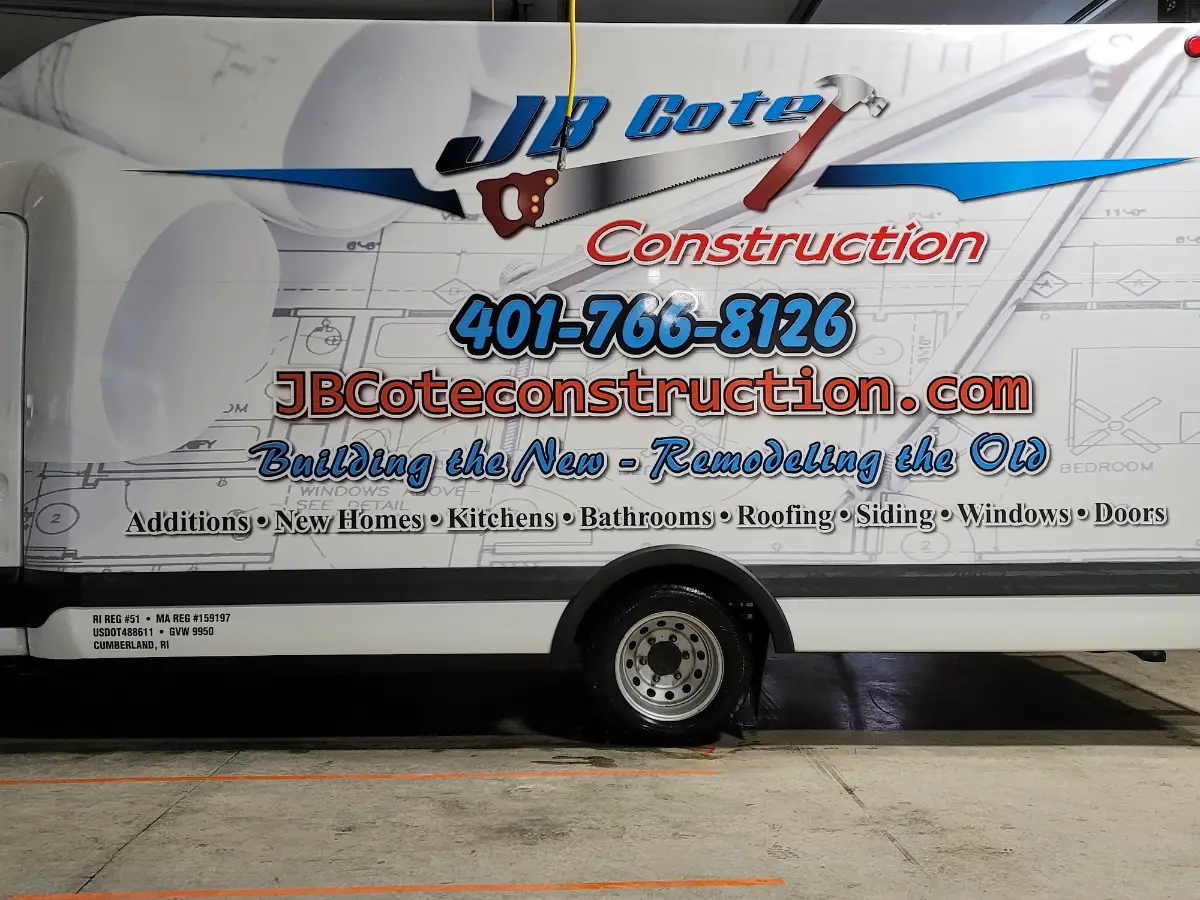
Questions About Experience and Past Work
Next, you want to know if the contractor has done jobs like yours. Building an addition is not the same as redoing a bathroom. Experience with your type of project makes a big difference. Here are good questions to ask.
- How long have you been in business? A long track record shows they have stuck around and stood behind their work.
- Have you done projects like mine? Ask for photos of similar jobs, not just their best ones.
- Can I talk to past clients? Ask for two or three references from the last few years.
- Do you work in my town? A contractor who knows your local building office can save you time.
- Where can I read your reviews? Look on Google and other sites for a pattern, good or bad.
When you call references, ask simple questions. Did the job finish when they said it would? Did they keep the site clean? Would you hire them again? Those answers tell you a lot about what it is like to work with them.
Questions About Permits and the Plan
Most real projects need a permit. A good contractor handles that for you and builds to the code. These questions help you know your project will be done the right way.
- Will you pull the permits? The contractor should get the permits in their name, not ask you to do it.
- Who will draw the plans? Bigger jobs, like additions and ADUs, need plans that the town will review.
- What inspections will the job need? They should be able to tell you when the town will come out.
- What could change the plan? A good contractor will be honest about what might come up once walls are opened.
Be careful with anyone who says you can skip the permit. Work done without a permit can cause trouble when you sell your home or file an insurance claim. If you live in Cumberland, Lincoln, or Woonsocket, our post on when you need a building permit explains more.
Questions About the Schedule and Communication
Many problems with contractors come down to poor communication. Setting clear expectations at the start helps a lot. Ask these questions before the work begins.
- When can you start, and how long will it take? Get a rough timeline in writing.
- Who will be my main contact? You should know who to call with questions.
- How will you keep me updated? Some contractors use phone calls. Others use an online portal with photos and notes.
- Who will be on site each day? Ask if it will be their own crew or hired help.
- How do you handle changes? Changes should be written down and signed before the work is done.
At JB Cote Construction, we use an online client portal so homeowners can see where their project stands. You can learn how we run each job on our our process page. Clear updates mean fewer surprises for you.
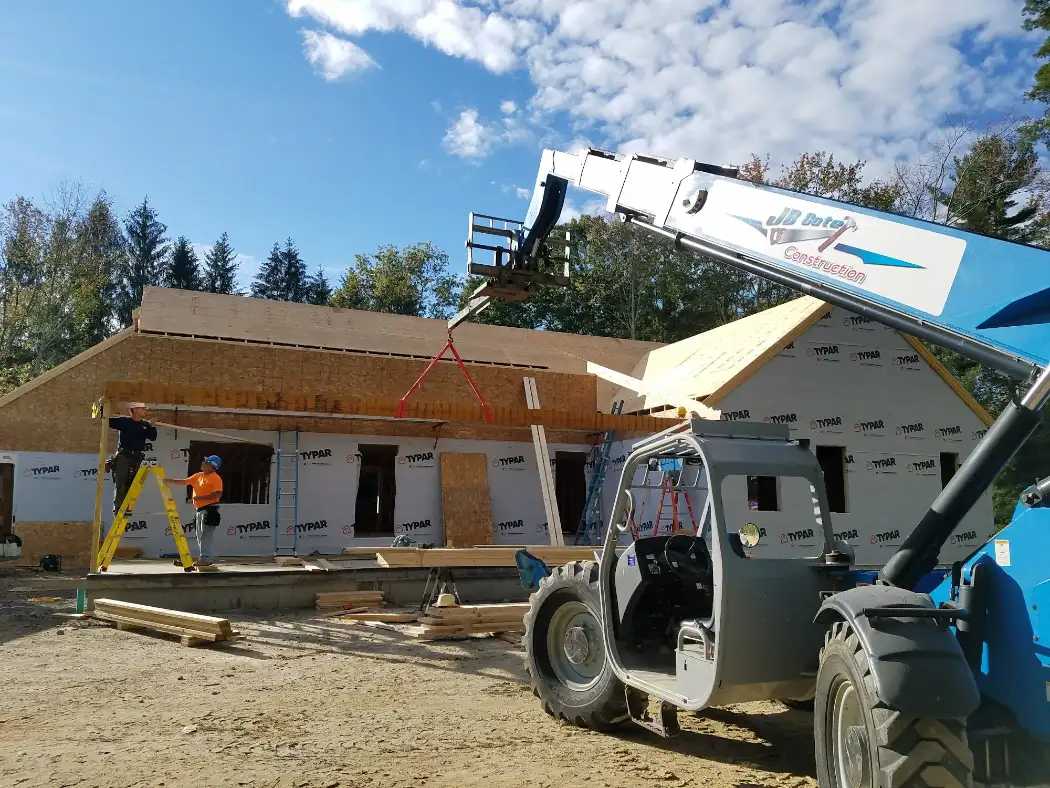
Questions About the Contract and Warranty
A written contract protects both you and the contractor. It should spell out what is being done and what is not. Before you sign, ask these questions.
- Is everything in writing? The scope of work, the materials, and the schedule should all be in the contract.
- How are payments set up? Payments are often tied to steps in the job. Be careful with anyone who wants most of the money up front.
- What is your warranty? Ask what is covered and for how long.
- What happens after the job is done? Ask if they come back to check on things or fix small issues.
Read the contract slowly before you sign. If anything is unclear, ask about it. A good contractor will take the time to explain it in plain words.
Red Flags to Watch For
Most contractors are honest, hard-working people. But it helps to know the warning signs. If you see any of these, slow down and ask more questions.
- They cannot show a state registration number or proof of insurance.
- They push you to sign right away.
- They want cash only or a large payment before any work starts.
- They tell you a permit is not needed for a big job.
- They have no address, no reviews, and no past clients you can call.
- Their bid is far off from the others with no clear reason why.
How to Choose a General Contractor You Can Trust
Knowing how to choose a general contractor comes down to a few simple steps. Talk to at least two or three. Ask the same questions to each one. Then compare their answers, not just their bids.
Pay attention to how they treat you, too. Did they show up on time? Did they listen to what you want? Did they explain things in a way you understood? The way a contractor acts before the job is a good sign of how they will act during it.
Our family-run team has been building and remodeling homes in the Blackstone Valley for more than 35 years. We are licensed and insured, and we are happy to answer every question on this list. You can learn more about who we are on our about us page, see more tips in our post on general contractors in Rhode Island, or browse our featured projects.
Conclusion
The right questions to ask a contractor cover four things: registration and insurance, past work, permits and the plan, and how they will talk with you during the job. Get the answers in writing and check them. Watch for red flags like pressure to sign or no proof of insurance. Taking a little time up front can save you a lot of stress later.
If you are planning a remodel, addition, or new build in northern Rhode Island, we would be glad to answer your questions. Bring this list with you, and we will walk through every item. Contact JB Cote Construction today to set up a visit.