

Renovating usually makes more sense when you like your location and the house has good bones. Moving usually makes more sense when the problem is the lot, the neighborhood, or something structural you cannot fix at a sane price. The honest answer depends on numbers most people never run, so here is how to run them.
Start With What You Are Actually Trying to Fix
Before any math, write down what is wrong. Be specific.
“We need more space” is not specific. “Three kids in two bedrooms and one bathroom” is. “The kitchen is dated” is not specific. “The kitchen is closed off from the living room and there is nowhere to eat” is.
This matters because some problems are cheap to fix and some are not. A dated kitchen is a renovation. A dark, chopped-up first floor is a renovation. Not enough bedrooms might be an addition. A house on a busy road with a tiny yard is not a renovation problem at all. No amount of money fixes the lot.
Sort your list into two columns. Things inside the house, and things outside it. If most of your frustration lives outside the walls, moving is probably your answer and you can stop reading. If most of it lives inside, keep going.
The Real Cost of Moving
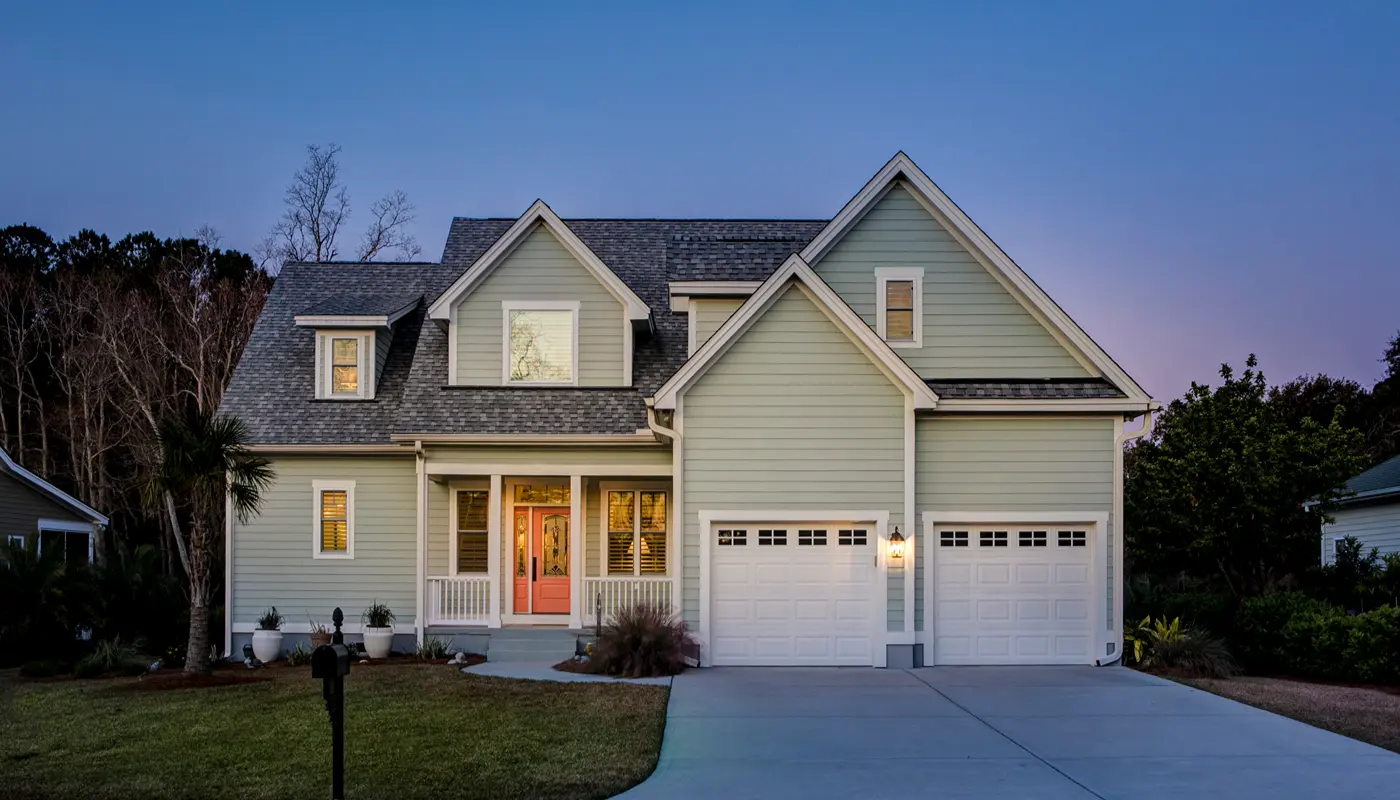
People compare a renovation quote against the sticker price difference between their house and the next one. That comparison leaves out a lot.
Here is what actually comes with a move:
- Real estate commission on the sale
- Closing costs on both ends
- Transfer taxes
- Movers
- A new mortgage at whatever rate is available now, not the rate you have
- Repairs and updates to get your current house ready to list
- Inspection issues the buyer wants fixed
- The work you will do on the new house anyway, because almost nobody buys a house and changes nothing
That last one is the sleeper. Very few people move into a house and love every room. Paint, flooring, a bathroom, new appliances. Budget for it, because it is real.
Add all of that up. Now you have a number worth comparing against a renovation.
What Drives the Cost of a Whole-Home Renovation

We are not going to quote you a price per square foot in a blog post. Anyone who does is making it up, because the range is enormous and it depends on your specific house. What we can do is tell you honestly what moves the number.
How much you are touching. Refinishing floors and painting is one thing. Taking a house down to the studs is another. Most whole-home projects land somewhere in between.
Whether walls move. Cosmetic work is predictable. The moment you remove a wall, you are into framing, headers, sometimes a beam and posts, and possibly a footing under those posts. Load-bearing changes drive cost fast.
Kitchens and bathrooms. These two rooms carry most of the budget in almost every renovation. They have plumbing, electrical, tile, cabinetry, and fixtures packed into a small area. A whole-home project with two bathrooms and a kitchen costs very differently than one with a kitchen and a half bath.
Mechanical systems. If the wiring, plumbing, or heating is original and needs replacing, that is a large line item that adds nothing you can see. Necessary, but not glamorous.
The age of the house. Older homes hold surprises. A 1910 house carries more unknowns than a 1995 one, and the difference shows up in the budget.
Finish level. Same layout, same square footage, wildly different price depending on what you pick. This is the one area where you have direct control.
The only way to get a real number is to have someone walk the house. That is what a site visit is for, and it is the first step in our process.
When Renovating Is the Wrong Choice
We turn down work sometimes, and this is where it happens. Being straight with you about it is more useful than selling you a project you will regret.
The lot is the problem. Busy road, no yard, bad drainage you cannot correct, a view you hate. Renovation does not touch any of that.
You would be the most expensive house on the street by a wide margin. There is a ceiling in every neighborhood. Spending well past it means you will not see that money again when you sell. Sometimes that is fine because you plan to stay forever. Sometimes it is a bad bet.
The structure is failing. A foundation that is genuinely failing, widespread rot, a house that has been neglected for decades. At some point the cost to fix approaches the cost to start over.
You cannot live through it. A whole-home renovation is disruptive. If you cannot move out and cannot tolerate months of dust and noise with young kids or someone working from home, that is a real factor, not a soft one.
Zoning says no. If the addition you need would break setback rules and a variance is unlikely, the project may not be possible in the form you want it.
When Renovating Clearly Wins
The case for staying is strong more often than people expect.
You keep your location, your neighbors, and your schools. In established Blackstone Valley neighborhoods, there is often nothing comparable for sale nearby, so moving means leaving the area you chose on purpose.
You keep your mortgage. Depending on when you bought and what rates are doing, this alone can outweigh a large chunk of a renovation budget.
You get exactly what you want. A house you buy is a compromise between what exists and what you need. A house you renovate is designed around how you actually live.
And you skip the whole transaction. No listing, no showings, no negotiating over an inspection report, no buying and selling in the same market at the same time.
Questions to Answer Before You Decide
Sit down with these five.
How long will you stay? Under five years, be careful about spending heavily. Ten years or more, renovation math looks a lot better.
Is the house structurally sound? Get an honest assessment. Good bones change everything.
What is actually for sale nearby? Look at real listings, not a fantasy house. If nothing on the market solves your problem, the comparison is over.
What does the full renovation cost, from a contractor who walked the house? Not a guess, not a range from the internet.
Can you live through it, or can you move out?
The Bottom Line
Renovate when the location is right and the house is sound. Move when the problem is the land, the neighborhood, or a structure too far gone to justify the cost.
Compare the whole picture on both sides. A renovation quote against the full cost of moving, including the work you will do on the next house anyway. Most people are surprised how close those numbers are, and how often staying comes out ahead.
We have been renovating homes in the Blackstone Valley since 1985, from single rooms to full renovations and additions. If you are weighing this decision and want an honest read on what your house could become and what it would cost, contact us for a site visit. If we think you should move, we will tell you that too.